
Create a Wallet
Understand addresses, networks and backup responsibility before creating a new wallet.
Learn more →Use imtoken to understand multi-chain assets, choose the correct network, send and receive with deliberate checks, connect to DApps, review approvals, and build stronger wallet-security habits through practical network knowledge.
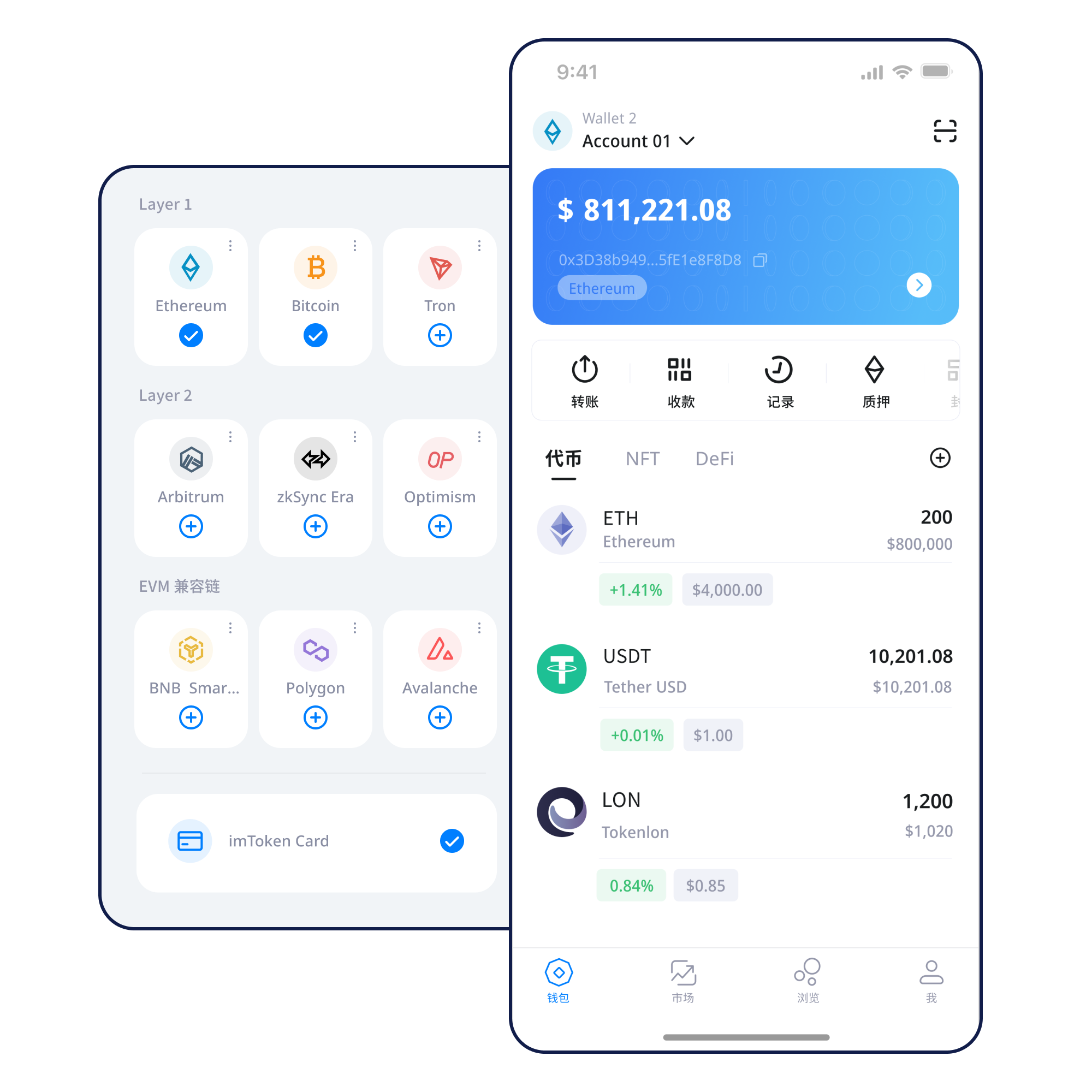
A clear task path reduces the chance of skipping network, address, backup or approval checks.
Understand addresses, networks and backup responsibility before creating a new wallet.
Learn more →Keep the seed phrase offline and separate from screenshots, cloud notes and chat tools.
Learn more →Share the correct receiving address and make sure the sender uses the matching network.
Learn more →Check destination, network, amount, gas and transaction summary before signing.
Learn more →Verify the domain and review each connection, signature and approval request separately.
Learn more →Different networks can use similar addresses while keeping balances, fees and transaction state separate.
Review address, network, amount, gas and transaction hash as one flow.
Mobile access for network management, asset viewing, transaction history and DApp use.
Review browser connection, approval and disconnect requests before confirmation.
Seed phrases and private keys stay under user custody. Offline backup and approval review are routine responsibilities.
Balances, fee assets, confirmations and contract state depend on the selected network.
Public chains use distributed nodes and protocol rules to order transactions into blocks.
Gas assets, contracts and token balances remain network-specific.
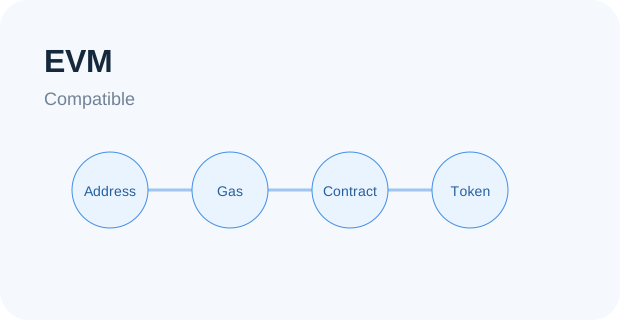
Cross-layer transfers can involve bridges, confirmation windows and waiting periods.
Start from a trusted imtoken entry point and review the product information.
Understand whether you are creating new keys or importing existing wallet credentials.
Keep the seed phrase offline and never share the private key with anyone.
Verify network, address format, fee asset and destination requirements.
Check address, network, amount and gas before signing.
Verify the transaction hash and review approvals that are no longer needed.
Connecting a wallet does not mean every later signature or approval should be accepted.
Keep seed phrases and private keys under your own custody, use offline backups, verify destination and network, inspect signatures and manage DApp approvals.
Open Security Center →A wallet interface brings together addresses, seed phrases, private keys, networks, gas, transaction hashes, DApps and approvals.
Read the guide →Understand blocks, nodes, explorers and confirmation depth.
Learn how addresses, gas, contracts and token approvals relate.
Understand mainnet relationships, bridges and cross-layer transfers.
Review spenders, allowances and revocation.
Build safer habits around custody and recovery material.
Learn proof of stake, validators, reward sources, network state, withdrawals and exits.
Learn the basics →Rewards are not guaranteed. Waiting periods, validator penalties, smart-contract risk, third-party service risk and price volatility can affect outcomes.
PoS & validator guide →Verify destination network, fee asset and transaction summary.
A practical learning sequence for creation, backup, receiving and sending.
Review spender, allowance and contract address before approving.
Start with network, transaction hash and request origin when troubleshooting.
A wallet address can be shared for receiving assets. A private key controls assets and must remain under the user’s custody; it should never be sent to anyone.
No. A seed phrase is used to restore wallet control and should be backed up offline. Official staff should never ask for it and cannot recover a user’s private key.
The same asset may exist on multiple networks. A wrong network can prevent the transfer from arriving as intended, and on-chain transactions generally cannot be unilaterally reversed by a wallet.
Gas is the network fee mechanism used to execute transactions or contract calls. Cost depends on network demand, transaction complexity and protocol rules.
A transaction hash is a unique identifier that can be used in a block explorer to check broadcast, inclusion, confirmation, failure or other on-chain status.
Verify the network, transaction hash and block-explorer status before taking another action. The cause may be congestion, fee settings or another network condition.
Not necessarily. A connection usually creates an interaction channel. Signatures, transactions and token approvals are separate requests that should each be reviewed independently.
Use the download entry and keep address, network, signature and approval checks part of every action.